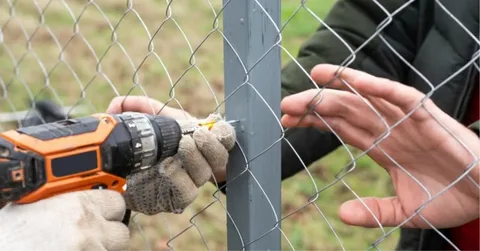
Installing a metal fence can enhance your property’s security, privacy, and curb appeal. However, proper installation is key to ensuring it’s effective and long-lasting. A well-installed metal fence will stand strong against weather, pests, and wear. To install a metal fence properly, you’ll need to prepare the ground, measure the layout, dig holes for the posts, secure the posts, attach the fence panels, and install the gate. Each of these steps is crucial for a strong and stable fence. If you find this process difficult, professional fence installation services can help you get it right.
Step-by-Step Process to Install a Metal Fence
Here’s a complete list of quick and easy steps to install a metal fence:
1. Prepare the Site for Installation
Before beginning the installation of your metal fence, it’s essential to prepare the area. This step ensures that the fence is installed correctly and will remain stable.
- Clear the Area: Remove any debris, plants, or obstacles from the installation site. This allows you to work without hindrance.
- Mark the Line: Use stakes and string to mark the fence line. This will help guide the installation process and ensure that the fence is straight.
A clear, level site is crucial for a smooth installation process.
2. Measure and Plan the Fence Layout
Proper measurements are crucial for an accurate fence installation. Planning ensures that your metal fence fits the space correctly and aligns with property boundaries.
- Measure the Perimeter: Measure the length of the fence line carefully, including any gates. Be sure to check local zoning laws to avoid installation errors.
- Determine Post Spacing: Metal fence posts are typically spaced 6-8 feet apart, but this can vary depending on the fence design and material.
Take your time with measurements to avoid mistakes later in the process.
3. Dig Holes for Fence Posts
The next step in installing your metal fence is digging holes for the fence posts. The depth and width of these holes are important for stability.
- Post Hole Depth: A general rule is to dig holes that are 1/3 the length of the post. Typically, posts should be buried at least 2-3 feet deep, depending on the height of the fence.
- Post Hole Width: The width should be about 3 times the diameter of the fence post.
Ensure the holes are deep and wide enough to keep the posts stable and secure.
4. Install Fence Posts
After preparing the holes, the next step is to install the fence posts. This step is crucial for the strength and stability of the entire fence.
-
Place the Posts: Insert the posts into the holes and ensure they are straight and level. Use a level tool to make sure the posts are aligned.
-
Fill the Holes: Concrete provides the most stability for long-term installations, while gravel may be used in areas requiring drainage or temporary fencing.
Properly installed posts will ensure your metal fence remains upright and secure for years. And just like a business needs accurate financial records to stand strong, the business power of bookkeeping can provide the solid foundation your company needs to thrive over time.
5. Attach Fence Panels
Once the posts are set, you can begin attaching the metal fence panels. Depending on the type of metal fence, you’ll either insert the panels into pre-made slots or attach them with screws.
- Align the Panels: Before securing the panels, ensure they are aligned with the posts. Check the level frequently to ensure the fence stays straight.
- Secure the Panels: Use screws or bolts to attach the panels to the posts. Tighten them securely to prevent any movement or shifting.
Make sure all the panels are aligned and securely fastened to avoid sagging or leaning.
6. Install Gates (If Applicable)
If your metal fence includes a gate, installing it properly is just as important as the rest of the fence. The gate should be sturdy and aligned with the fence line.
- Attach the Gate Hinges: Install the hinges on the gate and attach them to the posts. Ensure the gate swings freely and doesn’t scrape the ground.
- Install Locking Mechanism: Choose a reliable locking mechanism to secure the gate when not in use.
Proper gate installation ensures that your fence is not only functional but also secure.
7. Final Adjustments and Inspection
Once the panels and gate are installed, do a final check to ensure everything is level and secure. Adjust any panels or posts that may have shifted during installation.
- Check for Level: Use a level tool to ensure the fence is straight and even.
- Tighten All Connections: Double-check that all screws, bolts, and fasteners are tightened properly.
This final inspection will help ensure the durability and effectiveness of your metal fence.
Conclusion
Installing a metal fence properly involves careful planning, precise measurements, and proper post installation. Following the easy steps ensures that your fence stands strong and lasts for many years. However, if you’re unsure about any step, professional fence installation services can provide the expertise needed to complete the job. Proper installation ensures that your metal fence provides security and enhances your property’s appeal.
Explore: Get a Clean and Safe Setup with TV Mounting Calgary